
People and landscape
Napa Valley's history reaches beyond the vineyards that shape its present image. Indigenous communities, the development of a river town, agriculture and decisions about land use all form part of the story. Looking at these together gives a richer context for a journey through the valley than treating wine as the beginning of its history.
The towns and cultivated landscape seen today are the result of changes over time. A visitor can use Napa as a starting point for understanding the town and then explore the valley's agricultural character through its places and wine businesses. The things to do guide offers practical ideas for arranging that exploration.
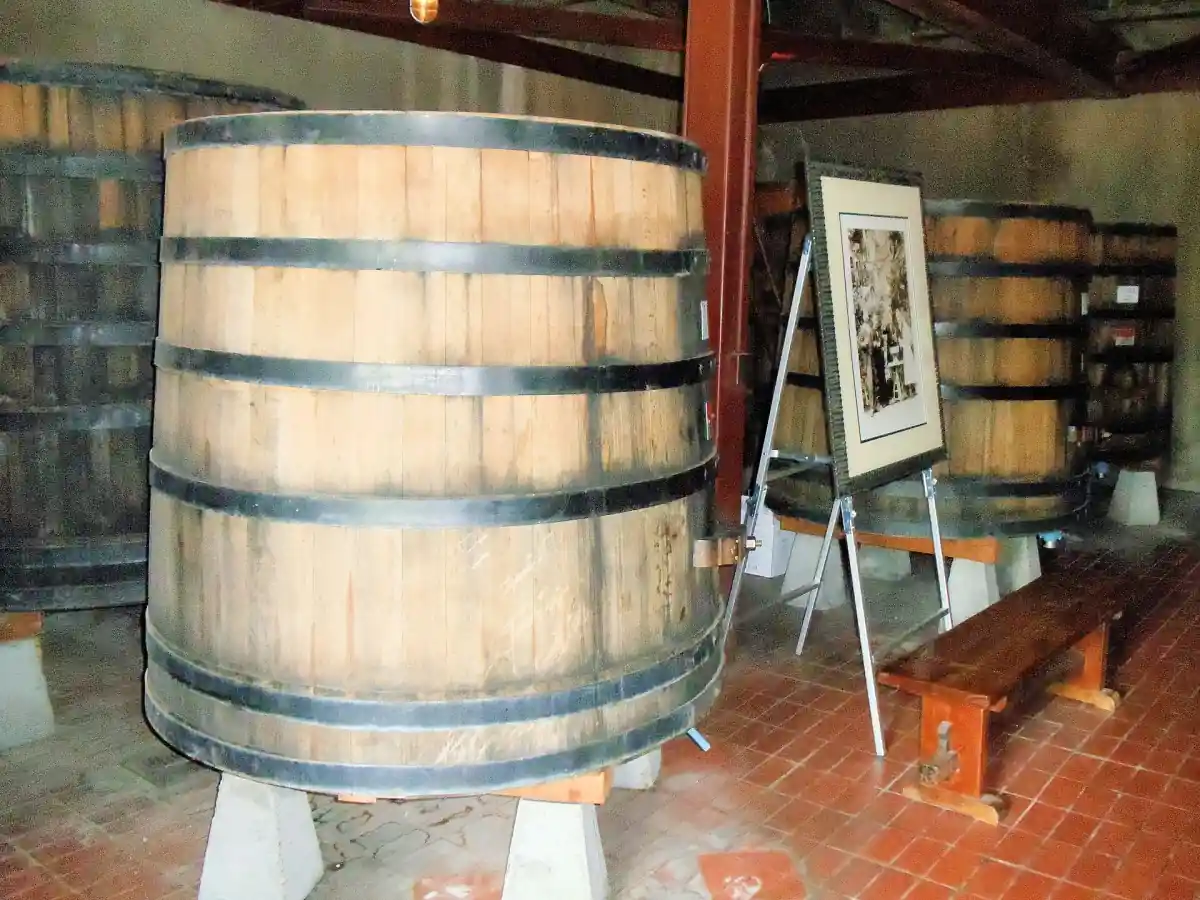
Indigenous history and living communities
The county's account identifies Wappo and later Patwin as Indigenous inhabitants of the area. Their history belongs at the beginning of any account of the valley, before the later town and county milestones. It is also a living story: Wappo people remain active in the community today.
That continuity matters when reading a timeline. Dates associated with a town layout or an agricultural designation mark particular decisions, not the beginning of people's relationship with the land. Allow space for the people and communities who lived here before those administrative milestones, and for their presence in the valley now.
Napa town and county
Nathan Coombs laid out the original town of Napa in 1847. Its position at the upper navigable part of the river helped the movement of goods. The river connection is useful context for understanding why a town developed here and how it related to the surrounding area.
Napa County was established in 1850. The town and county are distinct parts of the story: one describes a settlement and its street layout, while the other concerns the wider area. When exploring today, a walk around Downtown Napa gives a place to start thinking about the town's setting alongside its present businesses and public spaces.
Agricultural Preserve
In April 1968 the county adopted the Agricultural Preserve, an important measure for protecting agricultural land. This milestone helps explain why land use is central to the valley's story. It is a way to consider the landscape as working land as well as scenery for visitors.
Conservation and visiting go together in practical decisions. Use established public routes and respect private property when planning a walk or cycle ride. A view of vines does not by itself mean a vineyard is open to the public. For walking choices and access considerations, read the hiking guide; for visits to wine businesses, check each business's arrangements separately.
Judgment of Paris and wine
The Judgment of Paris in 1976 brought international recognition to the region's wines. It is one point in a longer agricultural history, rather than the sole explanation for the landscape seen today. Wine production, the town's development and the protection of agricultural land are related threads, each with its own context.
Visitors interested in the present can arrange a tasting at a wine business, checking its appointment policy and what the experience includes. Tastings are for adults aged 21 or over, and a suitable government-issued age document is needed. Arrange a sober driver or organised transport. See wine tasting for practical planning.
Wine origins and the valley today
Napa Valley received recognition as an American Viticultural Area in 1981. An AVA identifies a wine-growing area; it is a way to understand place and wine origin rather than permission to enter private vineyards. Crystal Springs was recognised as an AVA in 2024. These designations are separate from the arrangements a visitor makes with an individual business.
A present-day train journey offers another way to see the landscape. The featured ride includes a welcome taste of sparkling wine and a multi-course lunch or dinner according to the option booked. It is a contemporary outing through the valley; check its schedule and chosen meal when planning. Details of the experience are in the Wine Train guide.
Our pick: see the valley today
This train ride offers a present-day view of the valley with a meal on board.
Hand-picked tours, booked through GetYourGuide. Prices are indicative starting prices in US dollars (as of October 2026). Tap a tour for live availability and the current price in your currency.
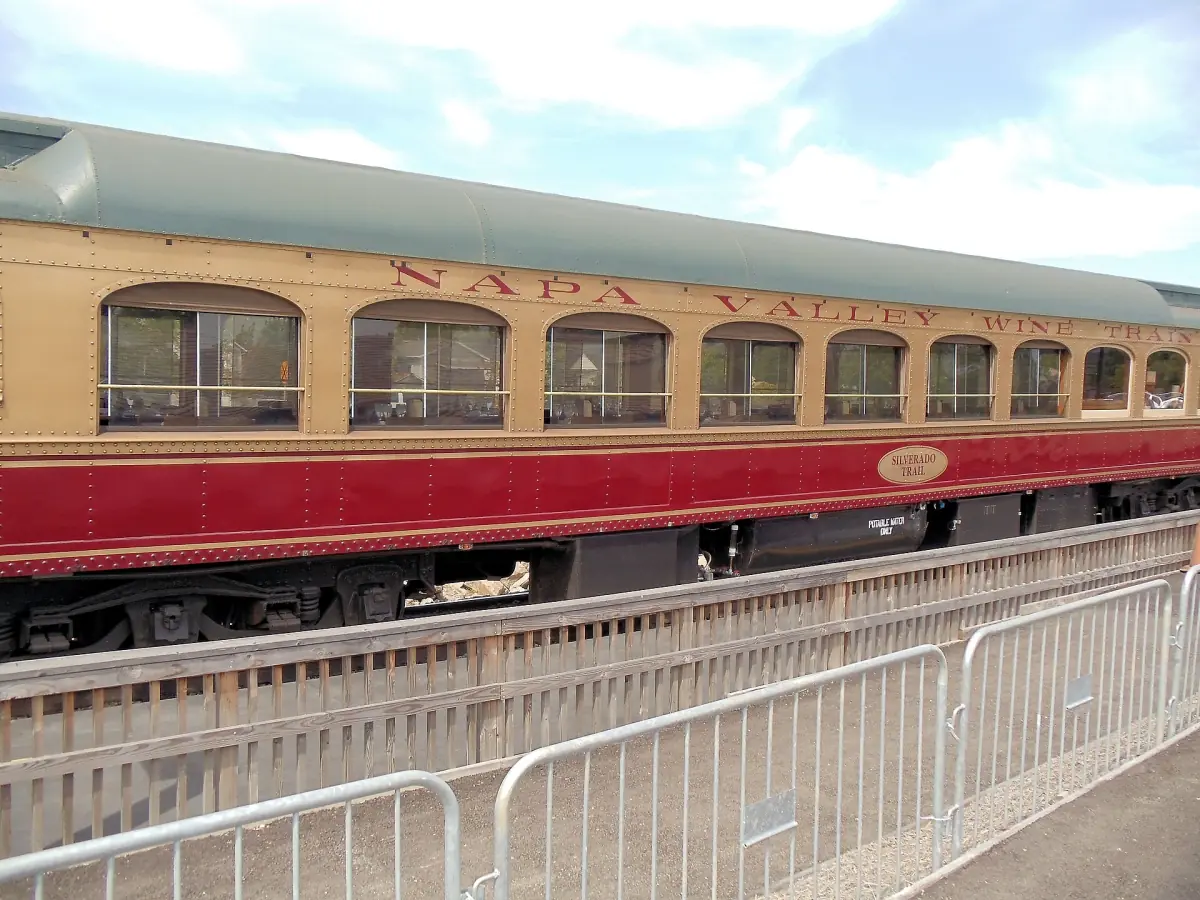
A train journey through the valley
A present-day train ride includes a welcome taste and a meal according to the option selected.
Napa Valley history: questions
Who lived in the area before the county was established?
The county identifies Wappo and later Patwin as Indigenous inhabitants. Wappo people remain active in the community today.
What is the Agricultural Preserve?
Adopted by the county in April 1968, it is an important measure for the protection of agricultural land.
When was Napa Valley recognised as an AVA?
Napa Valley became an American Viticultural Area in 1981. Crystal Springs received recognition in 2024.